
Receipts attached 1 source
Sources
-
Other source
City of Boston
Limits
Single primary institutional source; no independent validation of promotional claims. Check current operator information before travel.
Corrections
No correction notes have been added for this article.
Arnold Arboretum is more than a planted backdrop for a walk. The City of Boston describes it as a living museum devoted to the study and appreciation of woody plants, with specimens scientifically documented for teaching and research. That role gives a familiar park outing a different focus: the landscape is also a collection. Read the official City of Boston guidance.
The city’s account sets out an unusual division of responsibilities. Boston owns the land and maintains infrastructure, while Harvard University curates the collections and maintains the landscape. The page describes a long lease between the city and the university. Public space and academic work meet here through an institutional arrangement, not simply proximity.
Science and landscape design
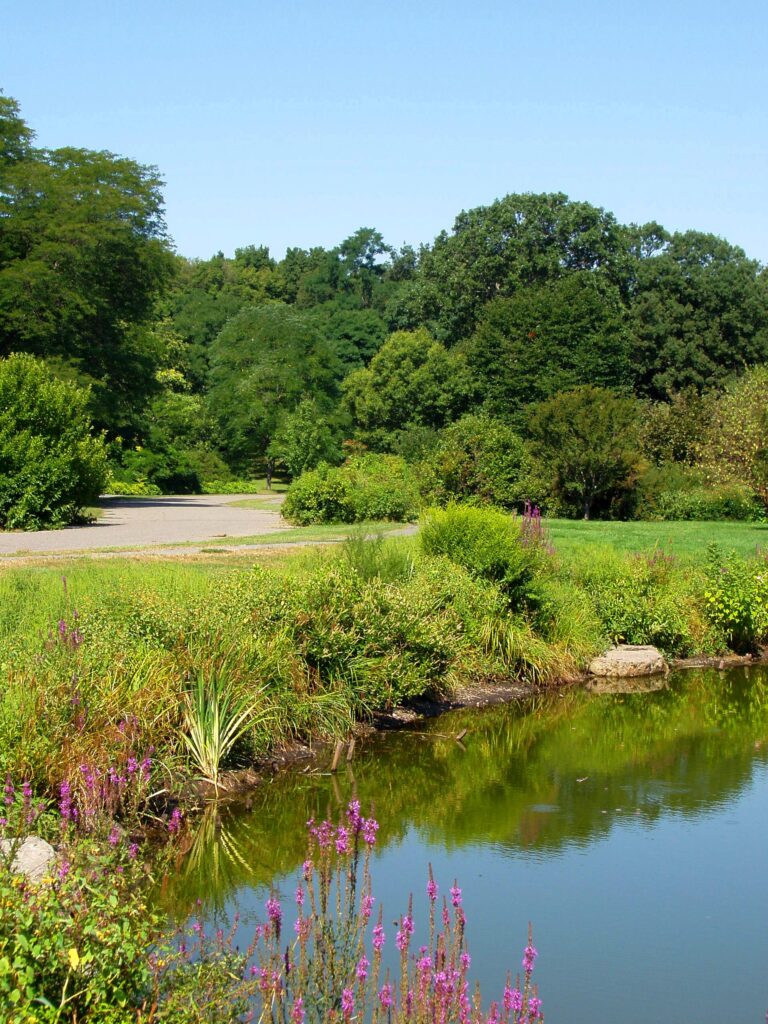
Boston’s history of the site emphasizes the collaboration between Charles Sprague Sargent and Frederick Law Olmsted. In the city’s telling, Sargent collected and arranged specimens, while Olmsted designed the roads and overall planting scheme. The result was intended to fit the broader Emerald Necklace landscape.
That account offers a way to look at the grounds without needing specialist knowledge. Notice both the individual plants and the way paths and planting guide a walk. Those are suggested points of attention, rather than descriptions of a visit made by this publication.
Use the collection as a starting point
The city lists maples, crabapples, lilacs and rhododendrons among the arboretum’s collections. Its page also points visitors toward a facility map and the arboretum’s own website. Start with those resources to choose a route that fits your time and mobility requirements.
The plant names are not a promise about what is flowering or showing autumn color today. A collection’s existence is a different fact from its seasonal appearance. Readers making a trip for a particular display should consult the arboretum’s current visitor information rather than rely on a generic month-by-month expectation.
This guide draws on the city’s institutional description. It does not repeat plant counts as a live inventory, and it does not certify current access conditions. The broader point is durable: a visit can combine an ordinary walk with a closer look at how a scientific collection is organized. Check the current official information before departing, then leave yourself enough time to look beyond the path.
Arnold Arboretum: understanding the public collection
The city’s description identifies the site at 125 The Arborway in Jamaica Plain. It links a facility map alongside the arboretum’s own information and the Emerald Necklace Conservancy. Those resources serve different purposes: a map can help orient a visitor, while the institutional information explains the plant collection and the wider park setting. Consult the current official visitor guidance for the practical details of an intended trip.
The land arrangement is unusually long term. Boston’s page says the city leased the land to Harvard for 1,000 years. The important point for this guide is the allocation of responsibilities: public ownership of the land exists alongside university stewardship of the living collection. Neither role on its own fully describes how the site is managed. The city’s maintenance of infrastructure and Harvard’s care for the collections and grounds are both part of its account.
Its description of Sargent and Olmsted likewise separates scientific and design decisions. The placement of specimens and the layout of roads are related, but they are not identical tasks. A visitor can use that distinction as a prompt to look at the grounds at two scales: the particular tree or shrub being studied, and the route connecting it to the rest of the collection. This is an interpretive suggestion, not a claim about the purpose of every individual planting.
The city also describes the Emerald Necklace Conservancy as a nonprofit advocacy organization concerned with protecting, restoring, maintaining and promoting the park system’s landscapes and waterways. That wider context helps explain why the arboretum can be considered both a destination in its own right and part of a connected landscape. The linked resources are the appropriate starting point for learning about that relationship; this guide does not establish present route conditions between the parks.
For another way to explore educational resources in the Boston area, see our Boston library cards guide.
Service guide. Official information checked October 10, 2026; check the linked operator pages before making plans.